
|
BLOG
brenden kellwy law NEWS
Insightful Legal Perspectives for Ohio Residents
|
Consumer Law Issues for Dentists: What You Need to Know
Brenden Kelley
Dental practices deal with several overlapping legal frameworks that are easy to lump together as “compliance” but actually come from different sources, with different requirements and different consequences for getting them wrong. Understanding the difference matters as much as understanding the rules themselves.
Informed consent isn't a HIPAA issue. it's a treatment issue
Informed consent comes from Ohio malpractice law and the professional obligations in the Dental Practice Act, not from federal privacy law. It requires that a patient understand, in terms they can actually process, the nature of a proposed treatment, its material risks, the alternatives (including no treatment), and the expected outcome, before they agree to proceed. A signed form alone isn't the same thing as informed consent if the underlying conversation never happened.
HIPAA governs a completely different problem: information, not treatment
HIPAA's Privacy and Security Rules control how patient health information is used, stored, and disclosed, who can see a chart, how records are transmitted, what happens if a laptop with patient data is lost. It has nothing to do with whether a patient understood the risks of a procedure. Practices sometimes treat HIPAA compliance as covering “the legal side” of patient interactions generally; it doesn't, and leaning on it as a stand-in for informed consent leaves a real gap.
Financing and billing disclosures carry their own exposure
When a practice offers in-house financing or partners with a third-party lender for treatment plans, additional disclosure obligations apply, both from federal truth-in-lending rules if credit is extended, and from Ohio's Consumer Sales Practices Act, which prohibits unfair or deceptive practices in connection with a consumer transaction. Unclear pricing, surprise fees, or pressure tactics around a treatment plan's cost can create exposure separate from anything related to the clinical care itself.
Advertising claims are consumer law issues, even for a licensed profession
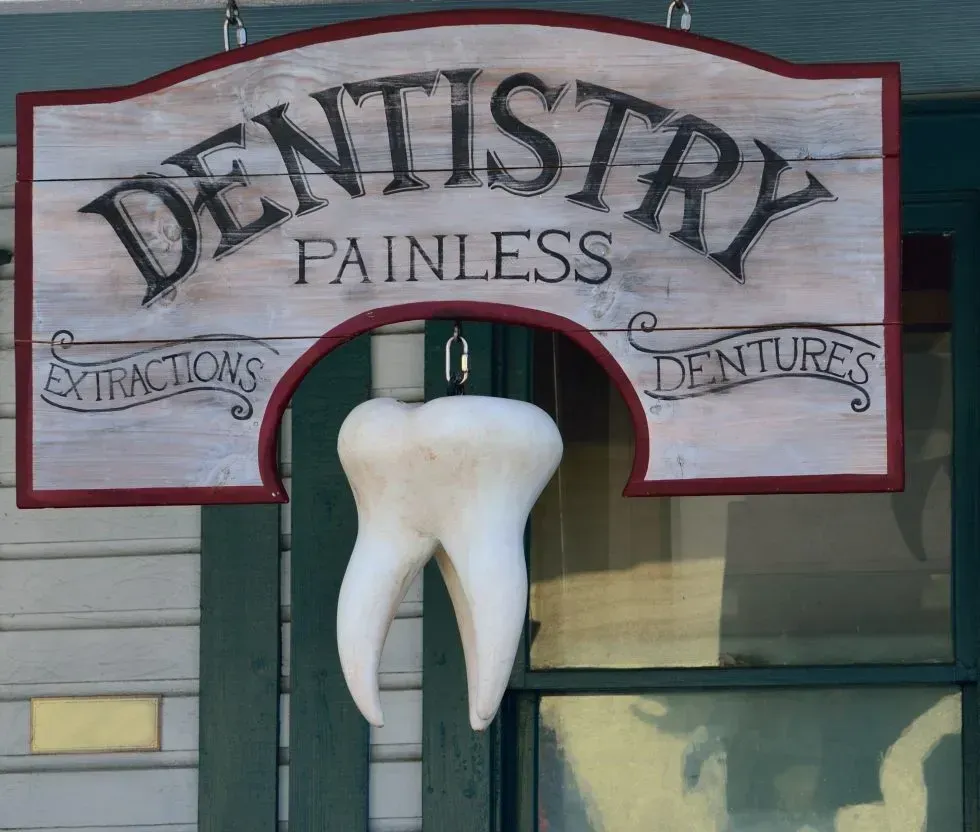
Before-and-after photos, “painless” claims, pricing promotions, and reviews all fall under general advertising law, the FTC's truth-in-advertising standards and Ohio's CSPA both apply to how a dental practice markets itself, separate from the professional-conduct rules enforced by the Dental Board. A claim that's clinically defensible can still be an unfair or deceptive advertising practice if it's presented in a misleading way.
Practical takeaway
Treat informed consent, HIPAA, financing disclosures, and advertising as four separate compliance lanes, not one general “legal stuff” bucket. A practice can be airtight on HIPAA and still have real exposure on financing disclosures or an ad campaign, and vice versa.
Sources and further reading
● Ohio Revised Code Chapter 4715 — Dental Practice Act
● Ohio Revised Code Chapter 1345 — Consumer Sales Practices Act
● HIPAA Privacy Rule, 45 C.F.R. Parts 160 and 164
● FTC, Truth in Advertising
If you want a compliance check-up across consent forms, financing disclosures, and your marketing materials, we're happy to help. Call 216-644-3359 or schedule a consultation online.